

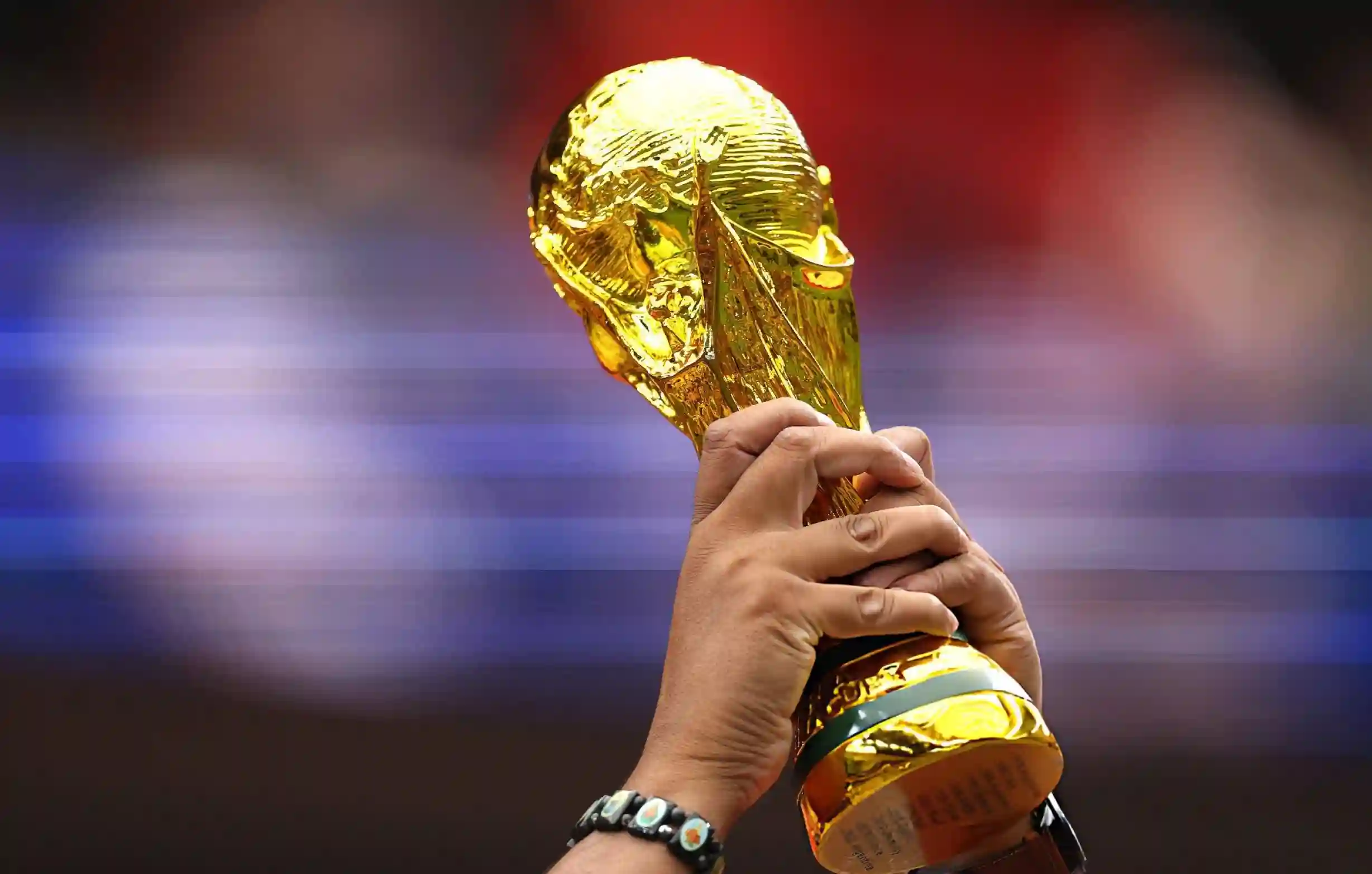
India qualified for the 1950 World Cup in Brazil but chose to withdraw before the tournament began.
India’s path to qualification was uncontested. They were placed in an Asian qualifying group alongside Burma, Indonesia and the Philippines, but all three teams withdrew, leaving India with a direct spot in the World Cup.
India were placed in Group 3 alongside Sweden, Paraguay and defending champions Italy. However, they never showed up for their opening match on June 28.
The reasons for India’s withdrawal have been debated over the years. FIFA stated that India withdrew after being told they had to wear football boots, as the All India Football Federation had requested permission to play barefoot. Some historical accounts also cite financial and logistical concerns, as international travel to South America was expensive and complicated at the time, and several other nations had also withdrawn for similar reasons.
India’s withdrawal came after the tournament draw had already taken place, and the team did not feature in the tournament. The 1950 World Cup eventually had 13 teams instead of the planned 16.
The Real Reason India Never Played in the FIFA World Cup
India currently ranks 138th in the world. They lost to Bangladesh and Hong Kong in Asian Cup qualifying and won none of their five matches. The ISL was shut down last year when the main investor pulled out.
In 1950, India qualified for the World Cup without playing a single qualifier because other teams withdrew. But the AIFF decided not to go. The common story that FIFA banned barefoot play is false, as boots were not mandatory until 1953. The real reason was that AIFF president Moeen Ul Haq feared the team would lose badly and damage the federation’s reputation.
India’s golden era came under coach Syed Abdul Rahim. He used a 4-4 formation before Brazil made it famous and led India to the 1956 Olympic semi-finals and the 1962 Asian Games title. After his death in 1963, India’s football declined.
In 2010, AIFF signed a deal with IMG Reliance worth 50 crore per year. The I-League lost its promotion and relegation system. The ISL became the top league where clubs could buy their place. The AIFF spent 18 times more on management than on grassroots development. Allegations include 25 lakh spent on an astrologer, 67 lakh on biryani bills, match-fixing in state leagues, and no player coming through ISL academies to the senior national team.
Ranjeet Bajaj ran Minerva Punjab FC, winning the I-League in 2018 and speaking out against match-fixing. He was banned for a year by AIFF. He sold his club and started Minerva Academy, running it on his own money. His boys beat Liverpool’s academy 6-0 in Spain and have won European tournaments in Sweden, Denmark and Norway.
He mortgaged his gold bonds to pay for their trips. His goal is to get Indian players into European clubs and eventually the World Cup. He believes only 10 Indians playing in the Champions League will get India to the World Cup.
How Ranjit Bajaj Plans to Take India to the FIFA World Cup
Ranjit Bajaj is one of the most disruptive figures in Indian football. He runs a ten-acre facility where he trains young players with a single goal: to qualify India for the 2034 World Cup.
He started Minerva Punjab FC in 2015 and won the I-League in 2018. He also filed FIRs against referees for match-fixing and spoke openly about corruption in Indian football. The AIFF banned him for a year and imposed a fine. He later sold the club and used the money to start a scholarship programme for young players.
Bajaj believes Indian football needs a mental shift. He says Indians have been conditioned to think foreigners are better, and he wants to break that mindset. He has banned participation certificates at his academy because he does not believe in celebrating losing.
He trains his players four times a day and provides them with nutrition, sports psychology and medical support. He wants his players to be signed by European clubs, not ISL teams. He believes India will only reach the World Cup when 10 Indian players are playing in the Champions League.
The academy has produced several international players, including Anwar Ali, who scored the winning goal against Argentina in the 2017 U-17 World Cup. Bajaj says his academy has given more players to the national team than all ISL academies combined.
He funds the programme through his own businesses and his paid programmes. He does not take corporate money because he wants to remain independent. His goal is not just to produce players but to change how India thinks about football.
FAQs
Q. Did India qualify for the 1950 FIFA World Cup?
A. Yes. India qualified but withdrew before the tournament.
Q. Why did India not play in the 1950 World Cup?
A. The AIFF withdrew the team due to several concerns, including travel and other reasons.
Q. What is Ranjit Bajaj’s goal for Indian football?
A. Ranjit Bajaj wants India to qualify for the 2034 FIFA World Cup.
Get the FIFA World Cup 2026 Updates at IceCric.News. Also, Follow Our Social Media for live updates on Facebook and Instagram.
