

The ICC has updated its playing conditions for international cricket. The new rules apply to series that begin on or after 1 October 2026. Any series already underway will stay under the old rules. The changes follow recommendations from the MCC and cover Test, ODI, and T20I cricket.
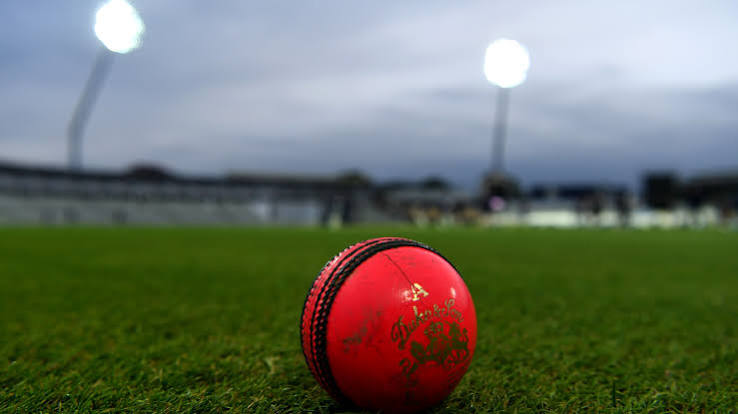
One of the biggest changes is a trial for pink balls in daytime Test matches. Both teams must agree before the match starts. If they agree, the ball colour cannot be changed once play begins. The idea is to cut down on lost time when bad light stops play.
The ICC is also cracking down on slow play by batters in men’s cricket. If a batter is not ready in time, the umpire will give a warning. A second delay brings a final warning. From the third offence onward, the fielding side gets five penalty runs. Repeat offenders could also face action under the Code of Conduct.
In Test cricket, the last over of the day will no longer automatically end when a wicket falls. If the over is not complete and conditions are still playable, the remaining balls must be bowled. This avoids carrying those balls over to the next day and keeps the contest going.
Ball specifications have been tightened for women’s cricket. There are now separate size and weight ranges for men’s, women’s, and junior balls. A men’s ball must weigh between 156 and 163 grams and measure 22.4 to 22.9 centimetres around. A women’s ball must weigh between 142 and 149 grams and measure 21.5 to 22 centimetres around.
In white-ball cricket, the T20I innings break is now fixed at 15 minutes. It can be shortened to 10 minutes if time has been lost. The ODI and T20I rules now allow the head coach or a nominated staff member to enter the field during drinks breaks.
The wide-ball rule that was trialled in ODIs and T20Is has been made permanent. It gives bowlers some leeway when a batter moves around before or during delivery. The batter’s leg position at the moment of delivery is used to judge a wide. This applies even if the batter then moves across to the off side.
The updated conditions apply to all international series starting on or after 1 October. Ongoing series will continue under the previous regulations.
Why Pink Ball in Test Cricket Matters?
The pink ball was created to solve a simple problem: Test cricket is hard to play at night. A red ball is almost impossible to see under floodlights. A white ball is visible, but it is not designed for the long format. It swings less and wears out too fast. The pink ball is the answer. It is built like a red ball, with a proper seam and a shiny surface, but its colour makes it visible under lights. This lets Test matches be played after sunset without turning the game into a limited-overs format.
One of the biggest benefits is visibility. Under floodlights, the pink ball stands out against the dark sky. Batters can pick it up earlier. Fielders can track it better. Wicketkeepers can judge edges more easily. TV viewers can follow the action more clearly. It is not perfect. The twilight period can be tricky. The ball can be hard to see as day turns to night. But overall, it is much better than a red ball under lights.
The pink ball has also helped bring more people to Test cricket. Day-night matches start in the afternoon and finish at night. That means fans can come after work or school. Crowds are usually bigger than for normal day games. Television ratings are higher too, especially in countries like India, Australia, and England. More fans and better TV numbers mean more money for the sport. That money helps keep Test cricket alive.
Another plus is that the pink ball often makes the game more exciting. It tends to swing and seam more, especially in the evening. Fast bowlers get extra movement. Batters face a real test of skill and patience. Day-night Tests often produce a clear result instead of a boring draw. That makes them more fun for everyone.
But there are downsides. The twilight session is the hardest for batters. Dew can make the ball wet and hard to grip, especially for spinners. Spin bowlers usually get less turn with the pink ball than with a red ball. The ball can also behave differently from one venue to another. Some grounds do not have good enough floodlights or drainage to host day-night Tests.
FAQs
Q. When will the new ICC rules apply?
A. They apply to series starting on or after October 1, 2026.
Q. What is the new pink-ball trial in Test cricket?
A. Teams can agree to use a pink ball in daytime Tests.
Q. What happens after repeated batter time-wasting?
A. The fielding team receives five penalty runs from the third offence.
Q. What are the new women’s cricket ball specifications?
A. The ball must weigh 142–149 grams and measure 21.5–22 centimetres.
Q. How long is the new T20I innings break?
A. It is 15 minutes and can be reduced to 10 minutes.
Get the Latest Cricket Updates at IceCric.News. Also, Follow Our Social Media for live updates on Facebook and Instagram.
