

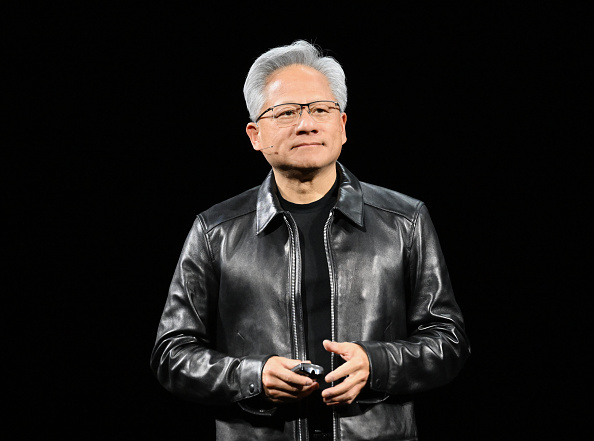
Nvidia is at the centre of a “cheating” scandal, and esports players have spent the year watching memory and graphics card prices climb. It is tempting to ask whether one might fix the other. But the question reveals how closely esports is tied to the AI boom.
The scandal involves Nvidia CEO Jensen Huang’s personal life, not gaming. According to reporting that began in late October, American intelligence agencies believe Huang had an affair with Alice Huang, an executive at the firm Megaspeed, who is suspected of passing information to the Chinese government. Huang has reportedly acknowledged the affair and apologized to his family. The espionage claim is an allegation reported by news outlets, and Nvidia has described the meetings as routine contact with a customer.
Nvidia’s board announced an independent investigation on 8 November, and Huang has said he does not plan to step down. A shareholder lawsuit has been filed alleging investors were misled, President Trump has said the FBI is looking into the matter, and three House committee chairs have requested a closed-door briefing for 18 November.
Demand from AI data centres has absorbed huge amounts of the world’s memory supply, and manufacturers have shifted capacity toward high-bandwidth memory for AI chips. TrendForce reported that conventional DRAM contract prices jumped roughly 90 to 95 percent in the first quarter of 2026, the steepest quarterly rise it has recorded.
Gartner projected in February that combined DRAM and SSD prices would rise about 130 percent by the end of 2026, lifting average PC prices by around 17 percent. In late September, Acer’s CEO said PC prices would climb another 5 to 20 percent in the fourth quarter. Graphics cards have been affected too, because GPUs carry their own memory, and reports say both Nvidia and AMD have raised prices more than once this year.
Could the Scandal Lower Memory Costs?
In the near term, almost certainly not. Fortune reports that the scandal has not directly touched memory supply, and Nvidia’s exposure runs mainly through export policy, since it relies on Samsung and SK Hynix for the memory in its AI chips. The chairman of memory maker Team Group has warned that the 2027 shortage could be so severe that “even money can’t buy goods.” His blunt question was, “How can prices fall when there’s nothing left?”
There are only indirect paths to cheaper memory:
- Tighter chip controls: If Washington responds by restricting AI chip sales to China, Korean memory makers could face extra compliance checks that delay shipments. That could make supply worse, not better.
- Slower AI spending: If the scandal dented confidence in Nvidia and cooled data center investment, demand for memory could ease. But customers with billions already committed have no quick exit, so a sudden drop looks unlikely.
- New capacity: Even if demand softened, factories take years to build. Acer has said PC prices may plateau near their peak in the first half of 2027, which implies no sharp fall.
Esports is relatively insulated at the top level. Games like Valorant and Counter-Strike run well on modest hardware, and professional tournaments use organizer-supplied machines. But the shortage matters in several ways:
- Grassroots players: Amateurs and semi-pros are the ones who need affordable builds. A 32GB DDR5 kit that cost around $100 a year ago now costs several times that, and that falls hardest on players in price-sensitive markets.
- Tournament organizers: Running a LAN event requires dozens or hundreds of PCs, and higher component costs raise the bill, especially for smaller events.
- Fans: Prebuilt PC and console prices are rising, which can slow the arrival of new players into the ecosystem. One report says Nintendo raised the Switch 2 price to $499.99 on 1 September, citing memory costs.
If memory prices did fall, esports would benefit, but mostly at the lower levels where hardware costs matter.
The next signals arrive soon. Nvidia reports third-quarter earnings on 17 November, and the congressional briefing follows a day later. Those events will show whether the scandal is a short-term shock or a deeper business risk. Any move on export policy would be the most likely way the story reaches the memory market.
The scandal is a serious story for Nvidia, but it is unlikely to deliver cheaper RAM for gamers anytime soon. The memory shortage is a supply-and-demand problem rooted in AI, and it will probably last well into 2027. For esports, the real takeaway is that the health of the scene depends partly on forces far outside gaming. If the AI boom cools, players may eventually get relief, but a headline about cheating is not what will make it happen.
FAQs
Q. What is the Nvidia cheating scandal about?
A. Nvidia CEO Jensen Huang has reportedly acknowledged an alleged affair with Alice Huang, a Megaspeed executive suspected of passing information to China.
Q. Why have memory prices increased in 2026?
A. Growing demand from AI data centres has reduced memory supply for other markets and pushed prices higher.
Q. Could the Nvidia scandal lower memory prices?
A. A major price drop is unlikely because the scandal has not directly affected memory supply.
Q. When will Nvidia report its third-quarter earnings?
A. Nvidia is scheduled to report its third-quarter earnings on November 17, 2026.
Get the Latest Cricket Updates at IceCric.News. Also, Follow Our Social Media for live updates on Facebook and Instagram.
